The ReCraft of motor yacht Ursus at Balk Shipyard in Urk
How a 24-metre Bandido 80 was lengthened by six metres into a 30.36-metre motor yacht at Balk Shipyard in Urk, and what Dutch rebuild craftsmanship makes possible.
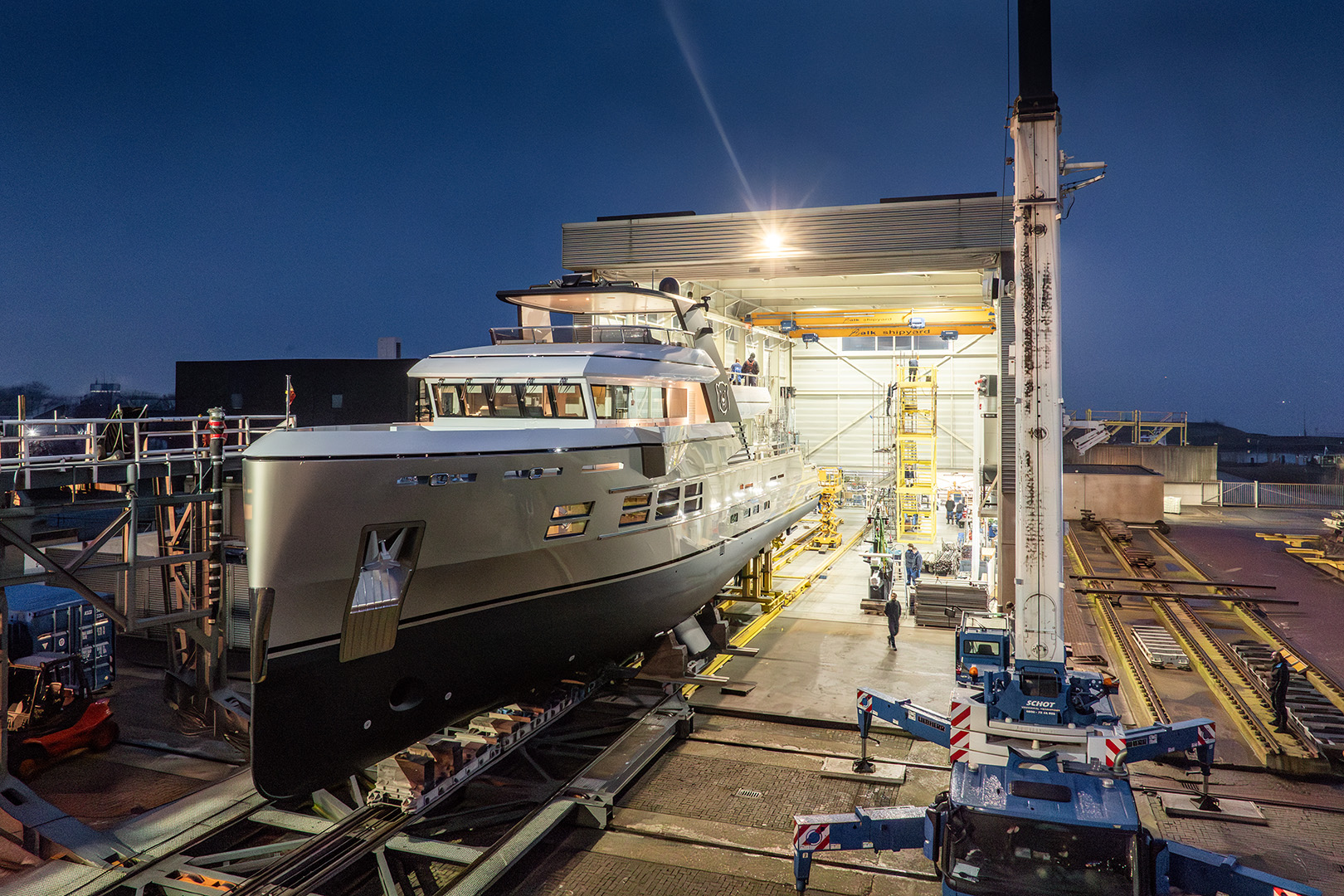
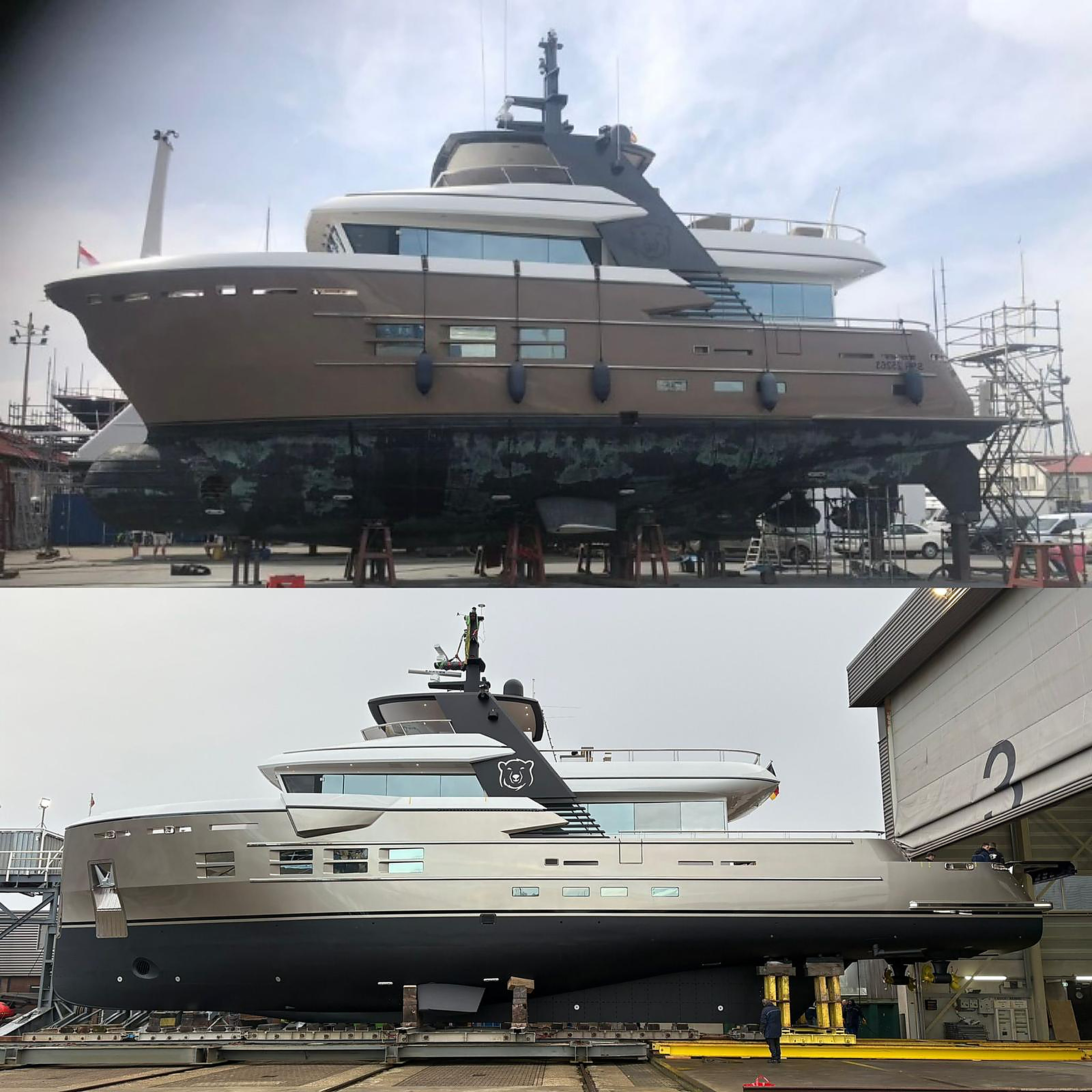
Ursus was the last Bandido 80 delivered by Acico Yachts. The owner bought her in 2018, moved her to Mallorca and spent several seasons cruising the Balearics. The build quality and the life on board were never the issue. The performance was. In 2022 the decision was taken to lengthen the yacht and improve her hydrodynamic behaviour in the same project, and for a job of that complexity only a Dutch yard came into consideration. The choice fell on Balk Shipyard in Urk.
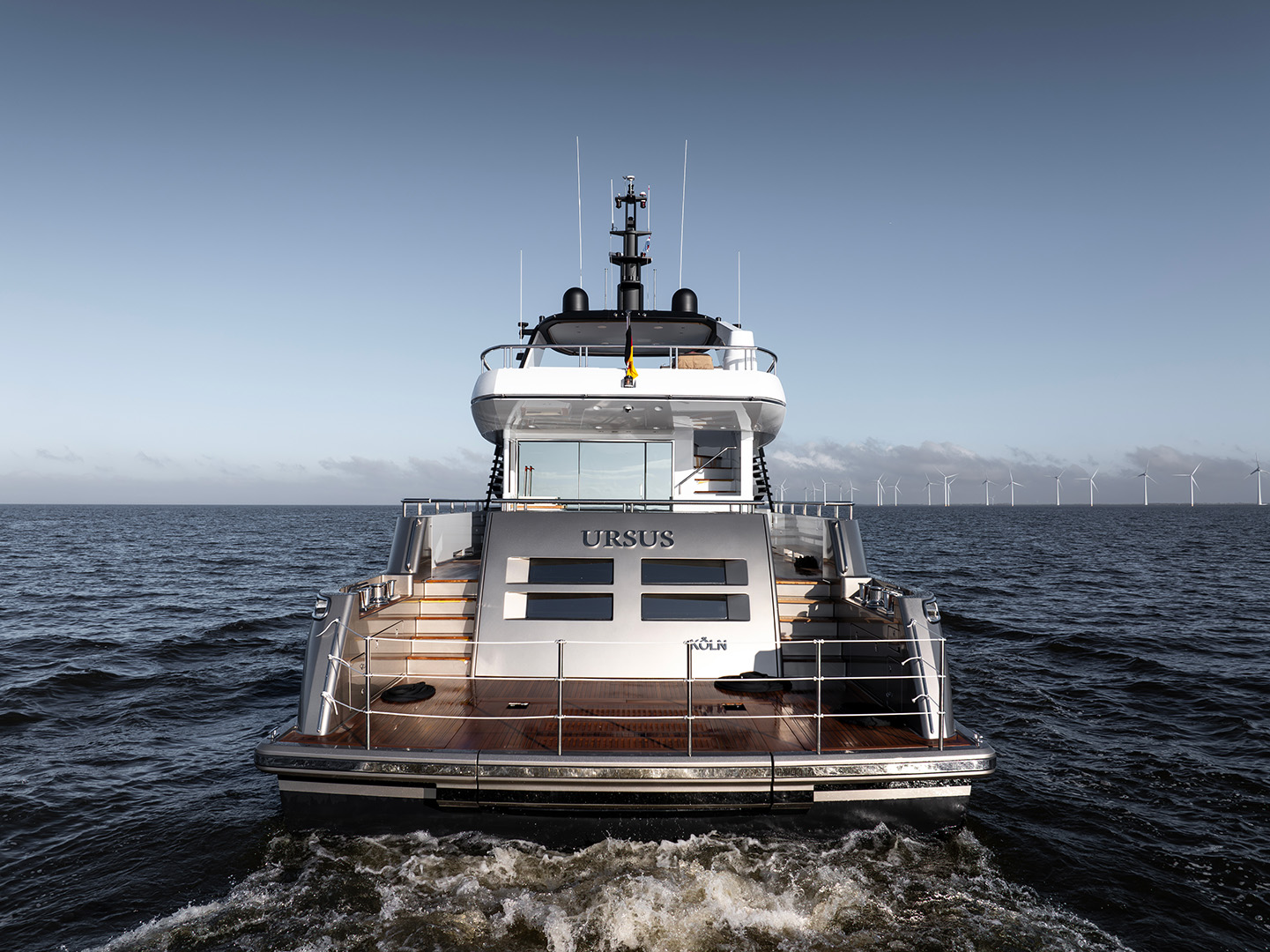
Sixteen months later a 24-metre yacht came out of hall 3 measuring 30.36 metres and 200 GT, with a new bow, a new stern, a rebuilt deck arrangement and a beach club that did not exist before.
Refit, rebuild or ReCraft
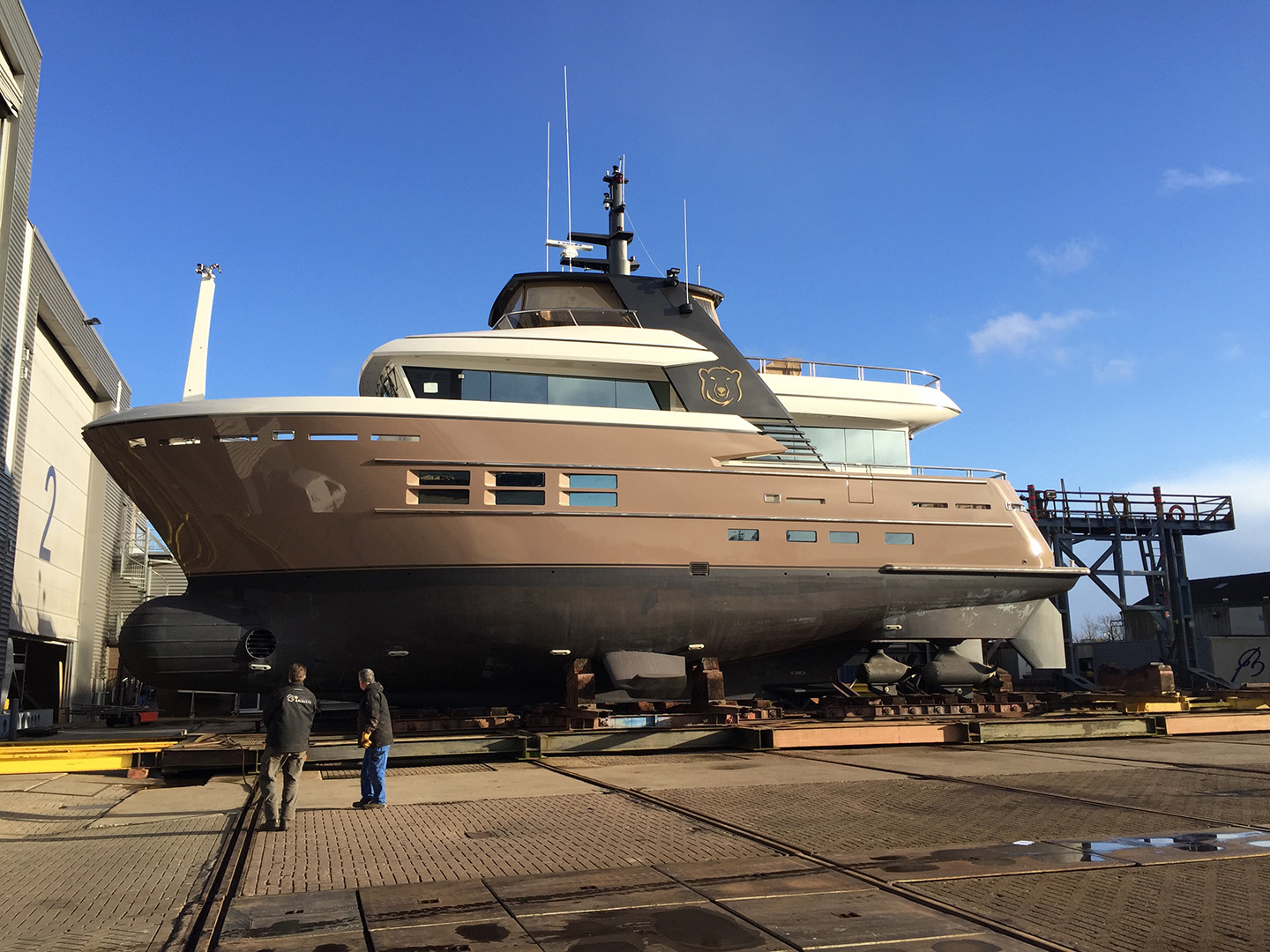
A refit renews what is already there: systems, finishes, equipment. A rebuild changes the structure itself. Balk Shipyard reserves a third term for projects at this end of the scale, a ReCraft, where the hull is lengthened, the general arrangement is redrawn and the character of the yacht is redefined.
Ursus sits firmly in that last category.
Six metres, engineered rather than improvised
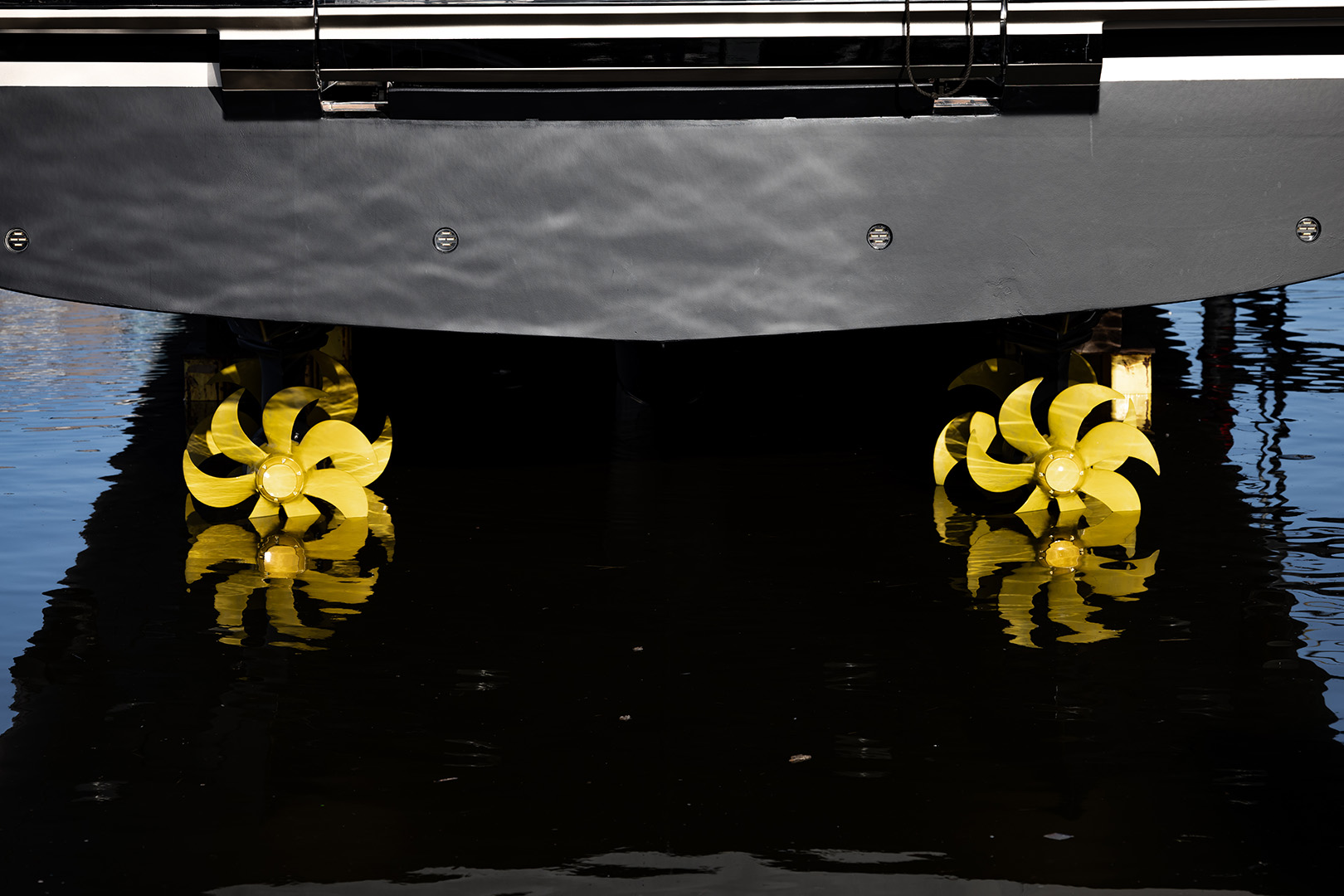
Together with naval architect Mulder Design, responsible for both exterior and interior, a six-metre extension was worked out. A 3D scan of the hull established where the yacht could be cut. Bow and stern were both removed and replaced with newly fabricated steel sections, which is what allowed the waterline to change without compromising the structure in between.
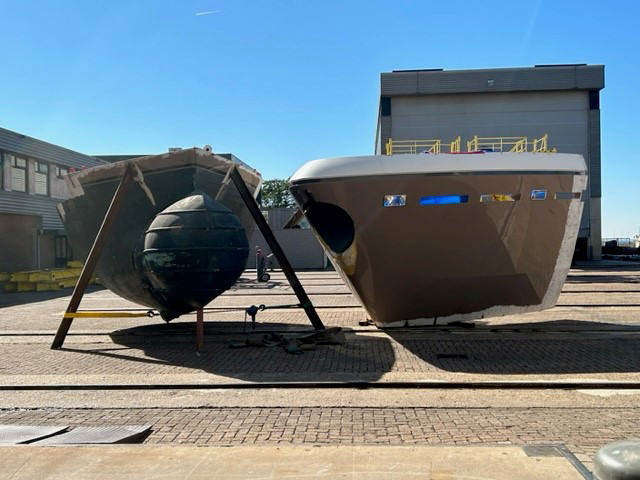
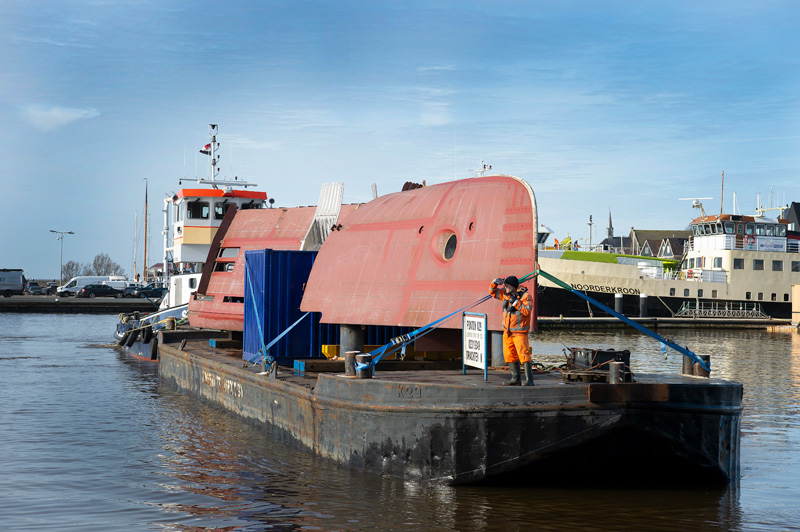
Structural work of this order changes the technical basis on which a yacht was originally accepted: length, volume, weight distribution and behaviour at sea. That has consequences well beyond the drawing board, starting with the valuation behind hull and machinery insurance, which rarely survives a project like this unchanged.
A deck plan turned around
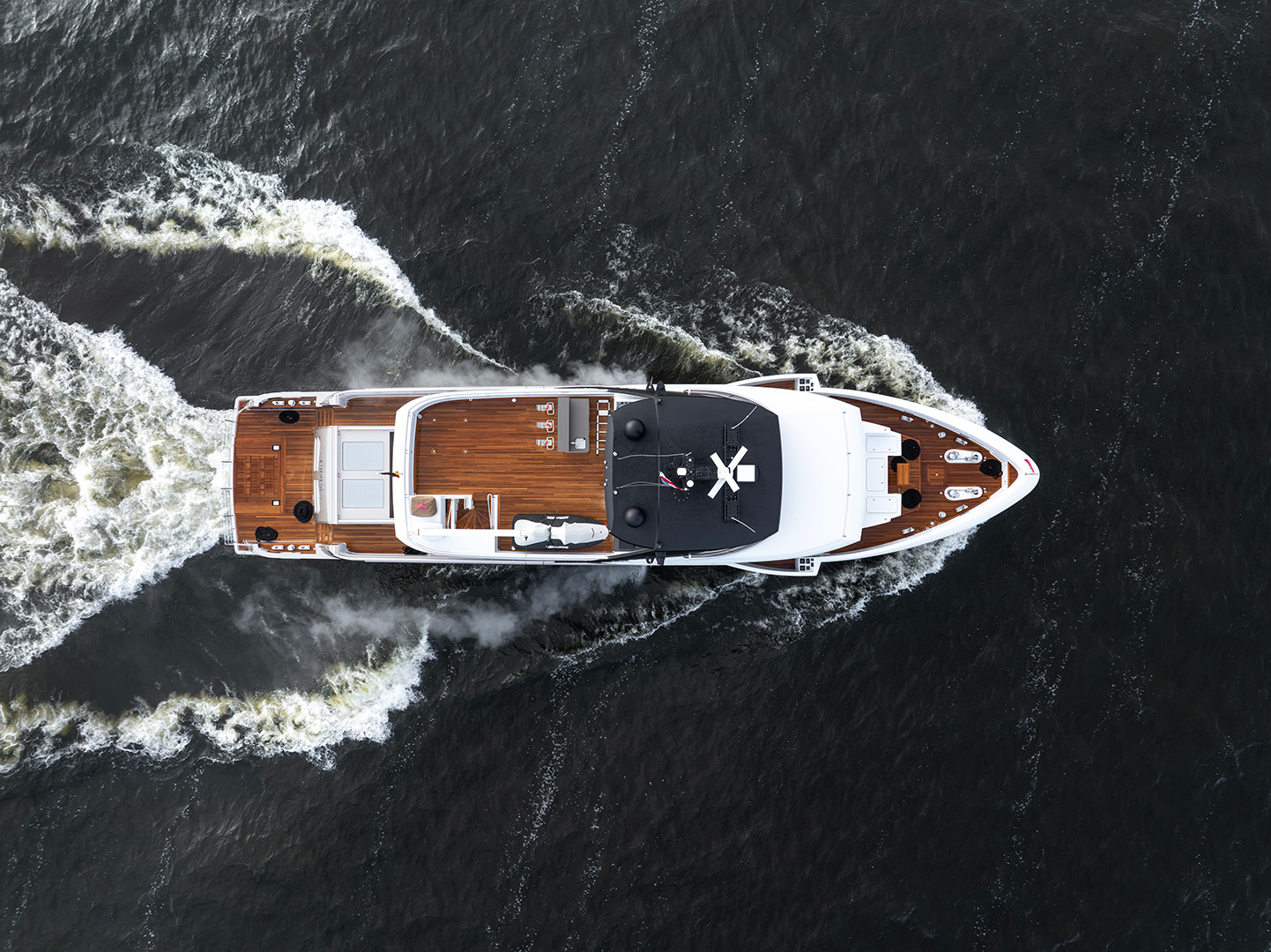
The extra length was used to rethink how the yacht is lived on. The tender garage moved from the foredeck to the aft ship, which freed the bow for an outdoor lounge. The sundeck was extended and fitted out with a barbecue, a teppanyaki grill, comfortable seating and stowage for two jet skis.
The largest transformation happened aft, where a beach club was created over two levels: a generous upper terrace and a waterside lounge on the deck below. It is the part of the yacht that gives away most clearly that this is not the boat that arrived in Urk.
In the owner's words
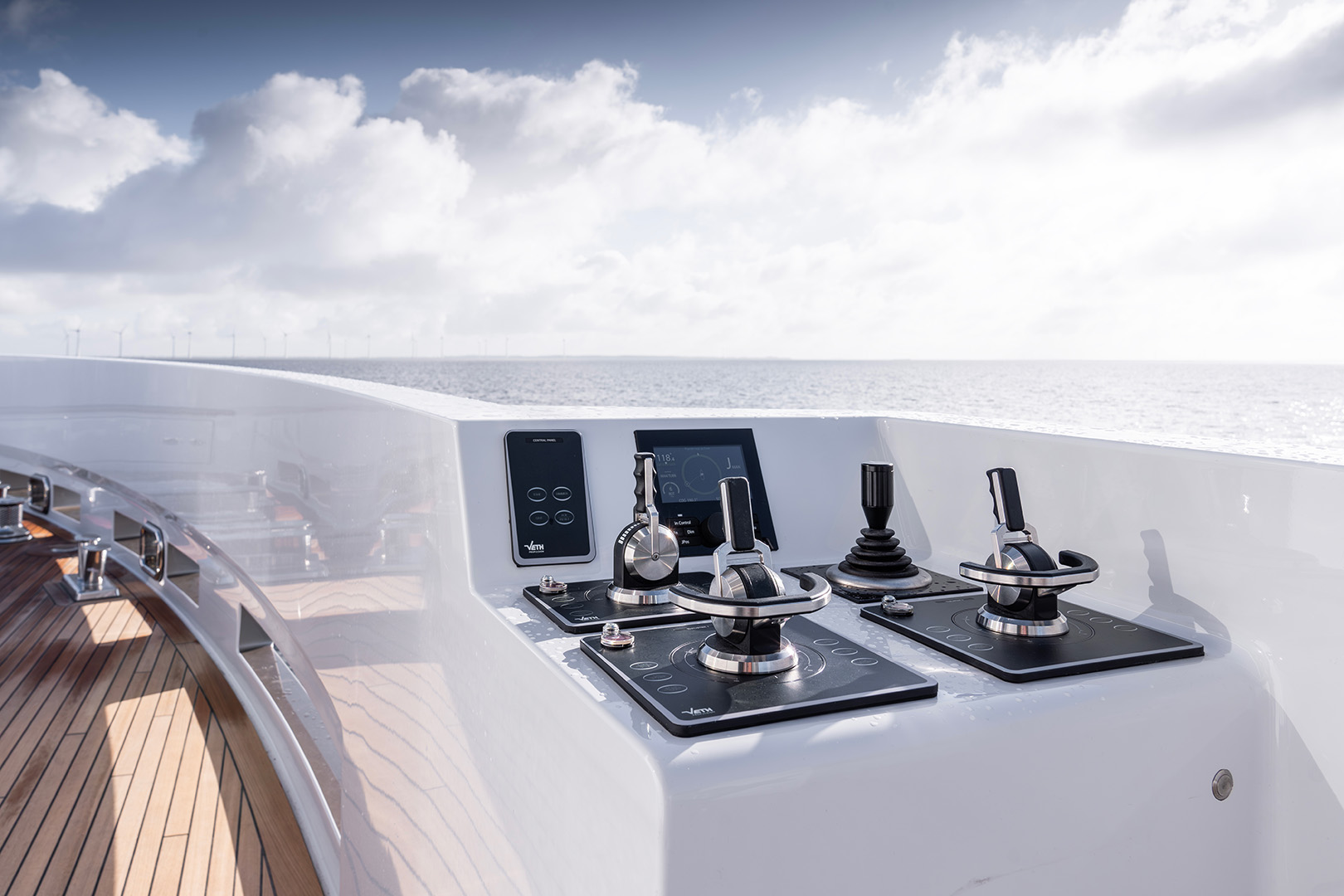
"We bought Ursus in 2018. She was originally built by a Dutch yard and measured 24 metres. After the purchase she was moved to Mallorca and in the years that followed we cruised her extensively in Balearic waters. The quality of the vessel and the life on board suited us very well, but there were clear shortcomings in performance. That is why we decided in 2022 to extend her and improve her hydrodynamic qualities at the same time. For a task this complex, only a Dutch yard came into consideration for us. We deliberately chose Balk Shipyard in Urk. After roughly two years of planning and rebuilding, we are happy with the result."
Before and after
| Specification | Bandido 80 (2016) | Ursus after the ReCraft |
|---|---|---|
| Length overall | 24.00 m | 30.36 m |
| Beam | 6.78 m | 6.78 m |
| Volume | Below 200 GT | 200 GT |
| Builder | Acico Yachts, 2016 | ReCraft by Balk Shipyard, 2024 - 2025 |
| Naval architecture and design | Bandido 80 series | Mulder Design, exterior and interior |
| Bow and stern | Original sections | New steel bow and stern sections |
| Tender storage | Foredeck | Aft, in a dedicated garage |
| Foredeck | Tender stowage | Outdoor lounge |
| Sundeck | Standard layout | Extended, with barbecue, teppanyaki grill, seating and stowage for two jet skis |
| Aft deck | Conventional swim platform | Two-level beach club with waterside lounge |
The project, step by step
Purchase and first seasons
The owner buys the 24-metre Ursus, the last Bandido 80 delivered by Acico Yachts, and moves the yacht to Mallorca. Several seasons of cruising in the Balearics confirm the build quality and the life on board, but also expose the limits of the yacht's performance.
Insurance moment: A change of owner and a change of home port both alter the risk picture. Navigation area and insured value belong on the table at that point, not at the next renewal.
The decision to lengthen
Rather than replace the yacht, the owner decides to extend it and improve its hydrodynamic behaviour at the same time. For a job of this complexity only a Dutch yard is considered, and the choice falls on Balk Shipyard in Urk.
Insurance moment: The scope of work, the yard period and the contractual liability arrangements together determine which cover applies during the project.
Design and engineering with Mulder Design
Working with naval architect Mulder Design, a six-metre extension is engineered. A 3D scan of the hull establishes the optimal cutting lines for removing the bow and the stern.
Insurance moment: Structural change affects class, flag and the technical basis on which the yacht was originally accepted. Confirm all three before steel is cut.
Sixteen months of rebuilding
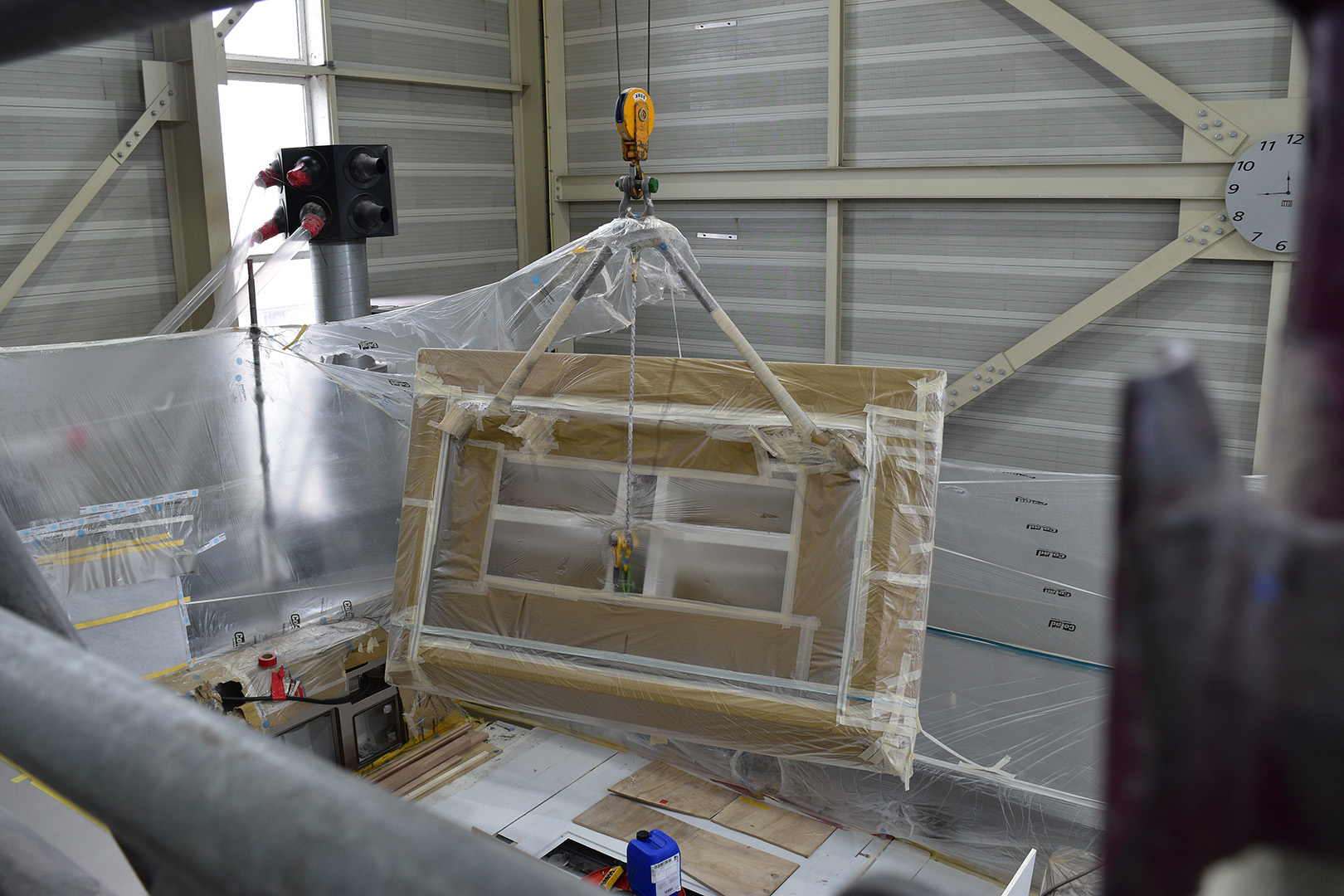
Bow and stern are removed and replaced with new steel sections. The tender garage moves aft, the sundeck is extended and a beach club is built over two levels. The yacht spends the entire period immobilised and opened up.
Insurance moment: The yard period holds the highest concentration of risk in the project: hot works, lifting operations and several contractors on board at once.
Launch and sea trials
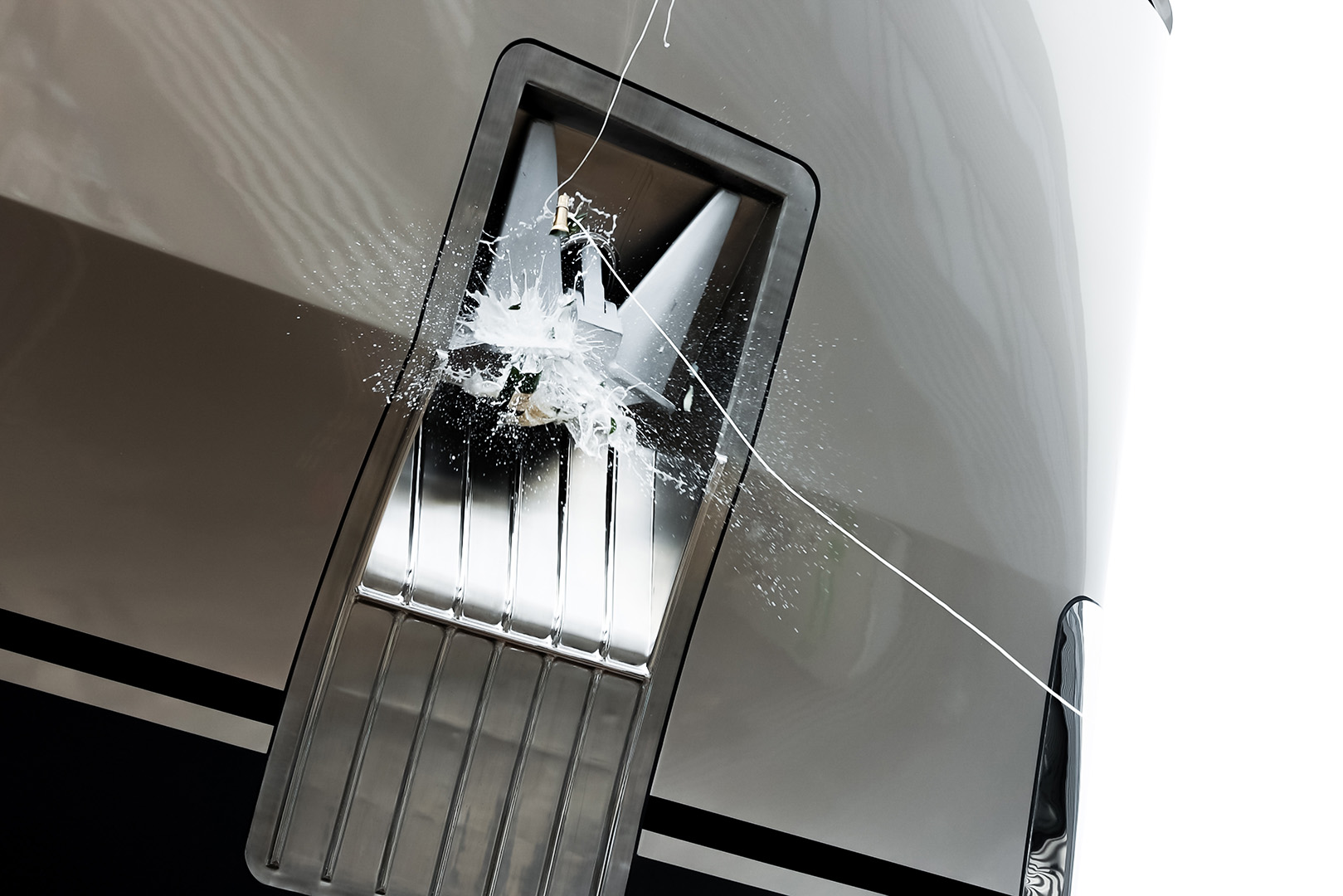
Ursus leaves hall 3, returns to the water and runs her trials on the IJsselmeer at 30.36 metres and 200 GT.
Insurance moment: Trials and the transition back to a navigation policy have to connect without a gap, and the insured value needs to be reassessed against the completed yacht.
Why Urk, and why the Netherlands
Urk is a working port before it is anything else. The town built its reputation on fishing vessels and commercial steel, and that background still shapes how the yards there approach a project. Cutting a hull and adding six metres is not treated as an exotic request. It is treated as a job with a drawing, a schedule and a weld book.
Around that sits the wider Dutch maritime cluster: naval architects such as Mulder Design, steel specialists, systems integrators, interior builders and paint teams, most of them within a couple of hours of each other. Short lines between those parties are what make a rebuild of this scale realistic on a fixed timeline. The same cluster logic underpins the Dutch position in insuring these yachts, described in the Dutch advantage in superyacht insurance.
Points of attention for owners considering a rebuild
- Fix the scope of work before the yard period starts. Extensions to the schedule are the most common cause of coverage gaps. A dedicated shipyard and refit cover exists precisely for that period.
- Check what the yard itself carries. Hot works, lifting and multiple contractors on board fall under ship repairers liability.
- Have the yacht revalued at relaunch rather than at the next renewal. Six extra metres and a new deck arrangement change the insured value substantially.
- Confirm the navigation area still matches the way the yacht will be used after the conversion. See worldwide navigation.
- Declare tenders and jet skis separately. On Ursus alone, stowage for two jet skis was added. See tenders and toys.
- A larger yacht usually means a larger crew, with employer obligations that follow. See crew liability.
- Bridge and network systems installed during a rebuild introduce exposures older electronics did not have. See cyber cover.
- Keep a documented record of the work, surveys and contractor certificates. It is the evidence base for any later claim.
A more detailed treatment of the yard period itself is available in insurance considerations during a refit.
Frequently asked questions
What is the difference between a refit, a rebuild and a ReCraft?
A refit renews systems, finishes and equipment while the structure stays as built. A rebuild changes the structure itself. Balk Shipyard uses the term ReCraft for projects at the far end of that scale, where the hull is lengthened, the layout is redrawn and the character of the yacht is redefined. Ursus falls into that last category.
How long did the Ursus project take?
The physical work took sixteen months at the yard in Urk, spread over 2024 and 2025. Counting the design and engineering phase, roughly two years passed between the first drawings and the relaunch.
Does the insurance change after a rebuild like this?
Almost always. The length, the volume, the insured value, the equipment on board and often the crew size all change. The policy has to follow that, and a reassessment before relaunch is what prevents under-insurance.
Why is the Netherlands a leading location for rebuild work?
Dutch yards sit inside a dense cluster of steel specialists, naval architects, systems integrators and interior builders. Short lines between those parties are what make lengthening a hull by six metres a scheduled job rather than an experiment.
Dutch craftsmanship, quietly
Projects like Ursus rarely draw the attention a new launch does. They should. Taking a well-built production yacht, cutting away both ends and returning it to the water six metres longer, better balanced and coherent from bow to beach club takes a level of engineering and craftsmanship only a handful of yards can deliver. That capability sits in a fishing town on the IJsselmeer, and it is worth saying so out loud.
Project details and photography courtesy of Balk Shipyard.
Planning a refit or rebuild
Structuring cover around a yard period, a revaluation and a wider cruising area is straightforward when it is arranged before the work starts. A review of the current arrangement is the usual starting point.
Paul L'Ortye Yacht Insurance
Specialist yacht insurance brokers since 1978. Two generations of expertise in protecting superyachts, their owners and crews worldwide. Based in the Netherlands, serving clients across the Mediterranean, Caribbean and beyond.
Share this article: