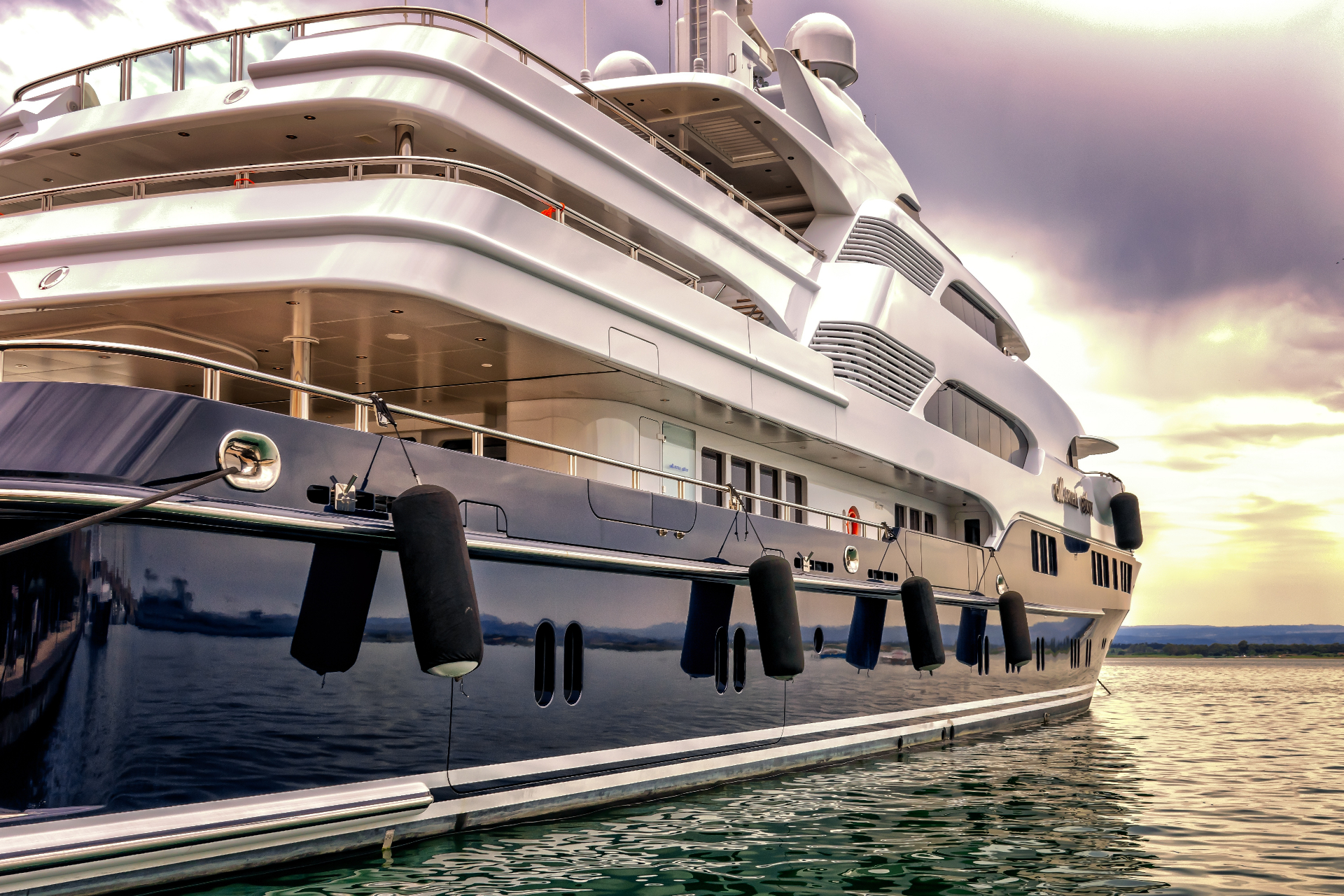
What Is Superyacht Insurance?
Superyacht insurance is a specialist discipline within the marine insurance market, designed specifically for large luxury vessels typically above 24 metres in length. It differs fundamentally from standard yacht or pleasure craft insurance in scope, complexity, and the expertise required to arrange it properly.
A superyacht represents far more than a hull and engine. These vessels carry international crews governed by the Maritime Labour Convention (MLC 2006), navigate across multiple jurisdictions, operate under complex ownership and flag state structures, and contain high-value systems ranging from advanced navigation electronics to stabilisation platforms and onboard tenders worth hundreds of thousands of euros.
Standard yacht policies are not designed to address these layers of exposure. Superyacht insurance programmes are individually structured to reflect the vessel's operational profile: where it cruises, how it is used (private or charter), who crews it, what regulatory framework applies, and what specific risks the owner faces.
The insurance market for superyachts is concentrated among a relatively small number of specialist underwriters and brokers. Working with professionals who understand the technical, regulatory, and operational dimensions of large yacht ownership is not a luxury; it is a necessity for adequate protection.
Types of Coverage
A comprehensive superyacht insurance programme typically consists of several interlocking coverage components. Each addresses a different dimension of risk, and together they form a complete protection framework.
Hull & Machinery
Physical damage protection for the vessel's structure, engines, and onboard systems.
Covers collision, grounding, fire, storm damage and mechanical breakdown
Protection & Indemnity (P&I)
Third-party liability for collision, pollution, passenger injury, and wreck removal. P&I coverage is fundamental to any superyacht programme and is typically placed with specialist marine mutuals or underwriters.
Essential legal and financial protection against claims from third parties
Crew Liability
MLC 2006 compliant coverage for crew injury, illness, repatriation, and employment disputes.
Protects both crew welfare and the owner's legal obligations
Charter Insurance
Tailored protection for commercial and private charter operations worldwide.
Extends coverage for paying guests, charter-specific liability and wear
Worldwide Navigation
Extended cruising area coverage including transatlantic, Caribbean, and high-risk zones.
Removes geographical limitations for global itineraries
War & Piracy
Specialist cover for hostile waters, piracy risk, and politically unstable regions.
Dedicated protection for high-risk transit areas and anchorages
Cyber Risk
Protection against cyber attacks on navigation, communication, and operational technology systems.
Addresses the growing digital vulnerability of modern superyachts
Tenders & Toys
Dedicated cover for tenders, jet skis, dive equipment, and onboard recreational assets.
Separately insures high-value assets often excluded from hull policies
Ship Repairer's Liability
Coverage for third-party vessels and property while in the care of repair facilities.
Protects yards and owners during maintenance and repair periods
Shipyard & Refit
Builder's risk and refit coverage during construction, conversion, and major maintenance periods.
Comprehensive protection from keel-laying through to sea trials
Each coverage type is explored in detail on its dedicated page. The optimal combination depends on the vessel's size, usage, cruising area, and regulatory requirements.
Protection & Indemnity (P&I) deserves particular attention: it covers the liabilities that can dwarf physical damage costs, including pollution, wreck removal, and passenger injury claims that may reach into the millions. For vessels operating commercially or crossing international waters, robust P&I coverage is non-negotiable.
Which Insurance Profile Fits Your Situation?
Coverage requirements vary significantly depending on how a vessel is used, where it operates, and what stage of its lifecycle it is in. The following profiles illustrate common risk scenarios and the coverage considerations that apply.
Private Owner, Mediterranean Cruising
Seasonal use in well-charted Mediterranean waters with established marina infrastructure. The primary exposures are hull damage from berthing incidents in busy ports such as Antibes, Palma, or Porto Cervo, third-party liability in congested harbours, and crew injury during operations. Mediterranean-only navigation limits typically attract more favourable premium terms.
- Hull & machinery damage
- P&I liability in congested waters
- Crew welfare compliance
Worldwide Navigation, High-Value Yacht
Transatlantic crossings, Caribbean seasons, and extended voyages introduce weather exposure, remote incident scenarios, and jurisdictional complexity. Vessels above €30M require carefully structured programmes.
- Extended cruising area endorsements
- War and piracy risk
- Remote claims response
How to Choose the Right Insurer
Selecting an insurance partner for a superyacht is not simply a matter of comparing premiums. The quality of the relationship, the depth of expertise, and the insurer's ability to respond when it matters most are all critical considerations.
When comparing superyacht insurance programmes, evaluate the breadth of coverage, the claims handling track record, deductible structures, exclusion wordings, and the insurer's experience with your specific vessel type and cruising area. A lower headline premium may conceal higher deductibles, narrower terms, or slower claims response. The following criteria provide a framework for making an informed choice.
Specialist Marine Expertise
General insurers rarely understand the operational complexity of superyachts. A specialist broker brings deep experience with vessels above 24 metres, including knowledge of classification societies, flag state requirements, MLC compliance, and the technical nuances that distinguish a properly structured programme from a generic policy.
Global Claims Infrastructure
When an incident occurs in a remote anchorage or mid-ocean, response time matters. Evaluate whether the insurer maintains a worldwide network of surveyors, adjusters, and approved repair yards that can mobilise within hours, including across the Mediterranean, Caribbean, and less-served cruising areas.
Direct Underwriting Authority
Direct underwriting authority applies to selected yacht insurance risks under delegated arrangements with insurance partners. Other risks are arranged through international marine insurance markets. Lloyd's market capacity, where appropriate, is accessed indirectly through partners; this is not Lloyd's coverholder authority.
Policy Flexibility and Transparency
Superyacht operations evolve: cruising areas change, charter plans develop, refits are scheduled. The right insurer provides clear policy wording, transparent pricing, and the ability to adjust coverage mid-term without unnecessary delays.
Financial Strength and Market Access
Ensure the underwriting capacity behind your policy is backed by financially strong, rated insurers. Ask which insurers carry the risk and how they are rated.
Long-term Relationship and Continuity
Insurance is not a one-year transaction. Consistent service from a dedicated team that knows your vessel, your crew, and your operational patterns leads to better terms, faster claims handling, and genuine protection over time.
The Claims Process
How a claim is handled often defines the true value of an insurance programme. The process for superyacht claims follows a structured path designed to minimise disruption and achieve fair, timely settlements. For a detailed walkthrough, read How Yacht Insurance Claims Really Work.
How It Works
Incident Notification
Report the incident to the 24/7 claims hotline. Provide initial details: what happened, where, and whether there are injuries or environmental concerns.
Documentation and Evidence
Gather photographs, logbook entries, witness statements, and any official reports. Thorough documentation at this stage significantly strengthens the claim.
Survey and Loss Adjustment
An independent marine surveyor inspects the damage, assesses the scope, and provides a professional report to the underwriters.
Repair Coordination
Once the claim is approved, repair authorisation is issued. The claims team coordinates with shipyards, suppliers, and the vessel's management to ensure quality repairs.
Settlement
Following completion of repairs or agreement on a constructive total loss, the claim is settled in accordance with the policy terms. Transparent communication throughout.
Frequently Asked Questions
Everything you need to know about superyacht insurance
Cover and Scope
What is superyacht insurance and how does it differ from standard yacht insurance?
What types of coverage are included in a typical superyacht insurance programme?
Is worldwide navigation covered as standard?
Premium and Pricing
How much does superyacht insurance typically cost?
How are premiums affected by the vessel's age?
How does charter use affect superyacht insurance?
Claims and Insurer Selection
What happens if a claim occurs in a remote location?
What role does vessel classification play in insurance?
Can coverage be adjusted during the policy period?
Why is it important to work with a specialist superyacht insurance broker?
How do I choose a superyacht insurance broker?
When to Request a Quote
There are clear moments in a vessel's lifecycle when reviewing insurance arrangements becomes particularly important.
Buying a new yacht
Secure coverage aligned with the vessel's specification, delivery schedule, and intended use before completion.
Expanding your cruising area
Ensure navigation limits and endorsements reflect the planned itinerary, including any high-risk zones.
Starting charter operations
Commercial use requires specific endorsements, adjusted liability limits, and regulatory compliance checks.
Entering a refit or yard period
Builder's risk and yard liability coverage should be in place before the vessel enters the shipyard.
Speak with a Specialist
Every superyacht programme begins with a conversation. Discuss your vessel, your plans, and your coverage requirements with experienced marine insurance professionals.